Moving From Norbury High Street: Narrow-Street Removals
Posted on 26/05/2026
Moving out of a busy local road sounds simple enough on paper. Then you face the reality of parked cars, tight turns, pavements that barely give you room, and a van that definitely looks bigger than it did when you first booked it. That is exactly why Moving From Norbury High Street: Narrow-Street Removals needs a different approach from a standard house move. A narrow street changes everything: timing, loading order, vehicle choice, access planning, and even how you carry the kettle box to the door.
This guide breaks down how to handle a move from Norbury High Street properly, without the usual scrambling and last-minute panic. You will find practical steps, common mistakes, equipment guidance, and realistic advice for flats, houses, student moves, and furniture-only jobs. If you are comparing options, you may also find it useful to look at local removal services in Norbury, or the broader services overview to see what kind of support fits your situation.
Truth be told, the street itself often becomes the biggest part of the move. Once you understand that, everything gets easier.

Why Moving From Norbury High Street: Narrow-Street Removals Matters
Norbury High Street is the kind of place where access can look straightforward until the moving van arrives. At certain times of day, parking becomes awkward, traffic builds up quickly, and even a short carry from front door to vehicle can feel longer than it should. Narrow-street removals matter because they affect safety, timing, costs, and the condition of your belongings.
If a van cannot park close to the property, removal teams may need to carry furniture further. That increases time and effort, and it also increases the chance of bumped walls, scuffed stair edges, or strained backs. For a one-bedroom flat, that may be manageable. For a family home with wardrobes, beds, and a sofa, it can snowball fast. One small delay and the whole morning shifts.
The other issue is coordination. On a tight street, a poor plan can block neighbours, upset loading access, or make it impossible to hold a parking spot long enough to finish the job. This is why experienced local movers think about the road itself before they even think about boxes. A good local move is not just transport. It is route planning, access control, and practical judgement.
To understand how wider moving decisions fit together, it helps to read about how to make a house move less stressful and, if you are moving larger pieces, the guidance on furniture removals in Norbury.
How Moving From Norbury High Street: Narrow-Street Removals Works
A narrow-street removal usually starts before moving day. The main aim is to reduce surprises. That means checking access, identifying where the vehicle can safely stop, deciding whether a smaller van is better than a large one, and planning the order of loading so the heaviest or most awkward items come out efficiently.
In a practical sense, the process often looks like this:
- Pre-move assessment: The property, road layout, entry points, and likely parking options are reviewed.
- Vehicle matching: A van size is chosen that suits the street and the load. Sometimes smaller is smarter.
- Access planning: The safest and shortest path from door to vehicle is identified, including stairs, corners, and gate widths.
- Packing and disassembly: Furniture may be taken apart, wrapped, and prepared to reduce bulk.
- Loading strategy: Boxes and furniture are loaded in a sequence that protects fragile items and improves balance in the van.
- Transport and unloading: The destination is managed in the same careful way, especially if the new property also has limited access.
Good narrow-street moving is a bit like chess, except the pieces are your sofa and washing machine. You have to think three moves ahead. That sounds dramatic, but if you have ever tried to reverse a van into a cramped street while a delivery lorry appears at the wrong moment, you will know exactly what I mean.
For moves involving single bulky items, the right preparation matters even more. The article on moving a bed and mattress properly is a solid example of how small preparation steps save big headaches later.
Key Benefits and Practical Advantages
There are real advantages to treating a narrow-street move as its own category rather than a generic house move. The biggest benefit is control. When the road is tight, control beats speed almost every time.
- Less wasted time: A well-planned access route cuts down on standing around, re-parking, and backtracking.
- Lower handling risk: Better packing and a clearer carrying route reduce the chance of damage.
- Better vehicle choice: A smaller van can sometimes be easier to park and unload than a bigger one.
- More predictable costs: Efficient loading and fewer delays usually mean a cleaner move overall.
- Less disruption to neighbours: A thoughtful approach helps avoid blocking the street for longer than needed.
There is also a quieter benefit that people often forget: peace of mind. If you know the van is suitable, the boxes are labelled, and the route from the flat to the street has been thought through, you do not spend the morning second-guessing every step. That matters more than most people admit.
In our experience, the best moves on busy roads are not the fastest-looking ones. They are the calm ones. The ones where the team seems almost boringly organised. That is usually a good sign.
Who This Is For and When It Makes Sense
This kind of move makes sense for anyone leaving or arriving at a property on a tight road where vehicle access is limited or parking is unpredictable. It is especially useful for:
- people moving from flats above shops or mixed-use buildings
- students leaving shared accommodation near the High Street
- small households with several bulky items but not a full lorry-load
- families moving from terraced homes where the pavement and road space are tight
- businesses or home offices shifting equipment from a constrained frontage
If your move includes stairs, narrow hallways, or valuable items, the case for specialist help becomes even stronger. A piano, for example, should never be treated like a standard box. If that sounds familiar, the advice on the risks of DIY piano moving is worth reading before you make a decision.
Students often underestimate this, to be fair. A couple of suitcases and a desk chair can feel easy enough until the van stops half a street away and rain starts coming down. Then the whole thing becomes a relay race nobody asked for. If you are in that camp, student removals in Norbury can be a sensible fit.
Step-by-Step Guidance
Below is a practical way to handle a move from a narrow High Street location without making life harder than it needs to be.
1. Measure and map the access
Check the width of hallways, door frames, stair corners, and the property frontage. Look at where a van could reasonably stop. If there is any doubt, assume the turning space is tighter than it looks. That is usually safer.
2. Book the right type of vehicle
Do not automatically go for the biggest van available. A slightly smaller vehicle can be far easier to manage on a narrow road. The goal is not to impress anyone. It is to move your belongings safely.
3. Sort the load before moving day
Separate what is going, what is staying, and what can be donated, recycled, or stored. The declutter stage matters more than people think. For practical ideas, see space-saving declutter tips before a move.
4. Pack for carry distance, not just storage
Boxes should be sturdy, sealed properly, and not overfilled. Use smaller boxes for heavy items like books so they are easier to carry from the house to the van. Labels should face outward. Sounds obvious, but when you are standing on a pavement with six boxes and a door open behind you, little things matter.
5. Protect awkward furniture first
Wrap table legs, corners, mirror edges, and drawer fronts. Disassemble what can be safely taken apart. For sofas, use proper covers or blankets, and make sure nothing snags on the way out. If you want more detail on sofa handling and storage prep, the guide on storing and protecting a sofa is useful.
6. Load in a sensible order
Heavy items usually go in first, then medium furniture, then boxes, then fragile items secured in the safest spaces. The van should be packed to stop movement, not just to fill space. A loose load can shift suddenly on a corner, and that is never ideal.
7. Keep the exit route clear
On a narrow street, you cannot afford clutter. Keep the doorway, hallway, and pavement area as clear as possible. If neighbours need to pass, be courteous and direct. A small bit of friendliness goes a long way.
8. Unload with the destination in mind
It is tempting to dump everything in the nearest room. Resist that urge if you can. Take the time to place boxes in the right areas, especially fragile or essential ones. You will thank yourself later when you are not searching for bedding at 10pm.
Expert Tips for Better Results
A narrow-street move is often won or lost in the details. These are the small decisions that make a surprising difference.
- Move early if possible: Mornings can be calmer before traffic builds and parking gets tougher.
- Use a staging zone: Keep packed items near the exit so loading can happen without unnecessary shuffling.
- Protect floors and walls: Doorframe guards, blankets, and floor runners can save a lot of cosmetic damage.
- Mark urgent items clearly: Kettle, charging cables, medication, and cleaning supplies should be easy to find.
- Think about lifting technique: Good posture matters more than brute strength. The piece on kinetic lifting principles explains why.
- Do not overpack boxes: A box that feels "fine" in the kitchen can become brutal on a staircase.
One practical observation from plenty of local moves: the most stressful part is often the last 10%. That last set of boxes, the awkward lamp, the bin bag that should have been recycled, the drawer that still contains odds and ends. Handle that section carefully. It is where mistakes happen.
If you are moving a full household rather than just a few items, a broader read like how to keep a house move calm and organised can help tie everything together.
Common Mistakes to Avoid
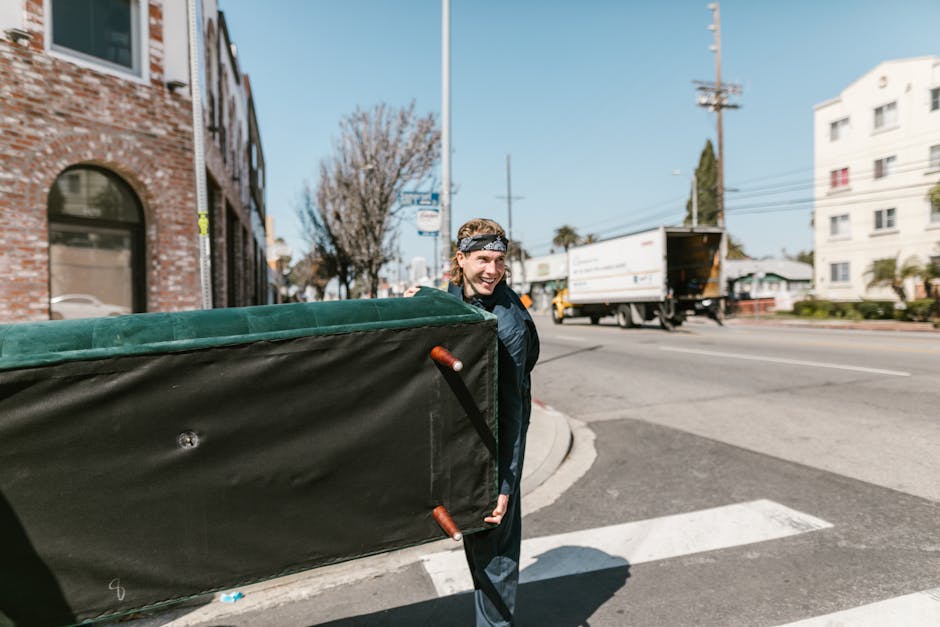
Most problems on narrow streets come from assumptions. People assume the van will park right outside. They assume the sofa will fit through the hallway. They assume there will be time to sort it on the day. Usually, one of those assumptions goes wrong. Sometimes all three. Brilliant.
- Choosing the wrong van size: Too large can be just as awkward as too small.
- Ignoring parking restrictions or access pressure: Even temporary congestion can throw the schedule off.
- Poor packing quality: Weak boxes, loose tape, and exposed corners lead to damage.
- Leaving bulky items until the end: This creates bottlenecks right when the move should be winding down.
- Not preparing appliances: Fridges, freezers, and washing machines need proper attention before transport.
- Overlooking cleaning duties: A final clean helps with handovers and avoids a rushed exit. If you want a practical guide, see how to clean a house before moving out.
Another mistake is forgetting that narrow-street moves are physical work. People sometimes decide to "just help with one sofa" and end up carrying more than they expected. If lifting is involved, read practical solo heavy-lifting advice before you do anything risky.
Tools, Resources and Recommendations
The right equipment does not solve every problem, but it makes the job far safer and more efficient. For narrow-street removals, these items are especially helpful:
- Removal blankets for furniture protection
- Ratchet straps to secure loads inside the van
- Dollies or sack trucks for heavier items where the route allows
- Strong packing tape and quality boxes for reliable box integrity
- Furniture sliders for certain indoor moves on hard floors
- Labels and markers to keep room-by-room sorting clear
- Protective wraps for mattresses and upholstered items
For supplies, packing and boxes in Norbury can be a useful place to start if you want materials matched to a proper move rather than random supermarket leftovers. For larger loads or mixed items, it may also be worth considering a dedicated removal van in Norbury that suits both the street and the volume of the move.
Some moves also benefit from short-term holding space. If your completion times do not line up neatly, storage in Norbury can take the pressure off. Not glamorous, but very useful.
Law, Compliance, Standards, or Best Practice
For most home moves, the legal and compliance side is not complicated, but it should still be taken seriously. The main concerns are road access, safe loading, insurance, and keeping the move within accepted UK moving standards and general duty of care.
In practical terms, that means:
- respecting parking restrictions and not blocking access longer than necessary
- making sure items are lifted and carried safely
- using suitable equipment for heavy or fragile goods
- checking that the moving service has appropriate insurance cover
- being clear about what is included in the service and any conditions that apply
If you are comparing providers, it is sensible to review insurance and safety information as well as the health and safety policy. Those pages tell you a lot about how seriously a company treats your belongings and the physical side of the move.
Best practice is really the same in most local removals: plan access, protect people and property, and communicate clearly. Simple, but not always simple in the moment.
Options, Methods, and Comparison Table
Not every narrow-street move needs the same setup. The right method depends on load size, access, timing, and whether you need extra help with lifting or packing.
| Option | Best for | Strengths | Trade-offs |
|---|---|---|---|
| Man and van | Small to medium local moves | Flexible, practical, often well-suited to tighter streets | Less capacity than a larger removal vehicle |
| Dedicated removal van | Furniture, appliances, and more structured moves | Better for organised loading and protective equipment | May need smarter parking planning on very tight roads |
| Full house removals | Complete household relocations | More support, more efficient for larger inventories | Can be more complex on narrow streets if not planned carefully |
| Same-day removals | Urgent or last-minute moves | Fast response when timing is tight | Less room for preparation, so access issues matter even more |
If your move is light and local, a man and van in Norbury may be the right balance of flexibility and cost control. For bigger properties, a house removals service in Norbury may make more sense, especially where furniture dismantling and careful packing are required.
Case Study or Real-World Example
Picture a typical move from a first-floor flat on a busy stretch of Norbury High Street. The occupant has a bed frame, mattress, two wardrobes, a sofa, kitchen boxes, and a few delicate items. Nothing outrageous. But the road is narrow, delivery drivers are already stopping outside nearby shops, and the nearest safe parking spot is not right outside the building.
Instead of bringing a large vehicle that would struggle to settle into the street, the movers use a smaller van with two clear loading runs. The bed is dismantled the night before. The mattress is wrapped. The sofa is protected and moved first, because it is the awkward shape that can cause trouble later. Boxes are colour-coded by room so unloading is faster at the other end. Simple idea, big payoff.
The result? Less standing around, less strain, fewer "where does this go?" moments, and fewer opportunities for damage. The job still takes effort, of course. Removal work always does. But it feels orderly, and that changes everything. You can almost hear the difference: fewer thumps, fewer sharp instructions, less hurried shuffling on the pavement.
This is also why some people choose service combinations rather than one-size-fits-all help. A move might involve flat removals in Norbury, packing support, and a short storage stop. That kind of mixed approach is often the quiet winner.
Practical Checklist
Use this checklist a day or two before moving from Norbury High Street:
- Confirm the moving date and access time
- Check where the van can safely stop
- Measure doorways, stairs, and any awkward furniture
- Pack fragile items separately and label them clearly
- Empty, defrost, and prepare appliances if needed
- Disassemble large furniture where practical
- Keep essential documents, keys, and chargers to hand
- Set aside a first-night box for toiletries, bedding, and basics
- Protect floors, walls, and corners where necessary
- Check insurance and service details before moving day
- Arrange parking, access, or any permits that may be relevant
- Leave the property clean and ready for handover
For the packing stage, a deeper guide like these packing hacks for a hassle-free move can save time and a fair bit of stress. And if you are preparing an idle appliance, the tips on keeping a freezer in good condition are well worth a look.
Get a free quote today and see how much you can save.
Conclusion
Moving from a busy local street is never just about getting things from A to B. With Moving From Norbury High Street: Narrow-Street Removals, the real skill is managing access, protecting your belongings, and keeping the day organised when the environment is doing its best to make that harder. A little planning goes a long way.
If you prepare early, choose the right vehicle, pack properly, and treat the street as part of the move rather than an afterthought, the whole process becomes more manageable. Less chaos, fewer surprises, and a far better chance of ending the day without that exhausted, slightly haunted feeling people get after a bad move. You know the one.
And honestly, that calm ending is worth aiming for.