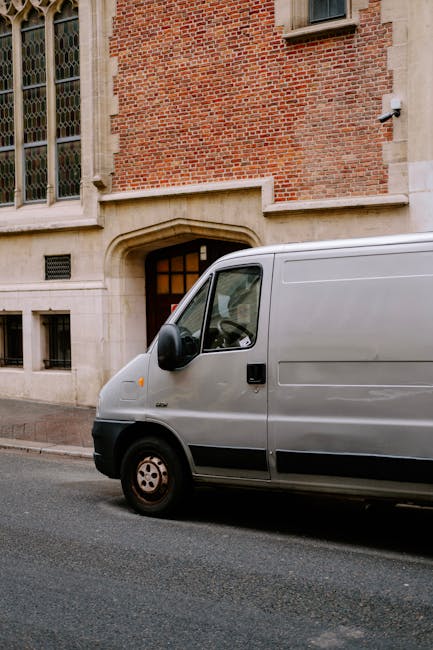
Man With Van in Norbury

Man With Van Norbury provides practical removal support for homes and small businesses that need a straightforward vehicle, loading help and careful transport. The service is centred on moving furniture, boxes and mixed household items in a way that is organised, economical and easy to plan around. If you are shifting a few bulky items, clearing a room or arranging a complete local move, our approach is to match the vehicle and support to the job rather than oversell what is needed.
We cover a wide range of removal tasks, from single-item collection to fuller house moves, and we keep the work focused on getting belongings from one place to another safely. For customers who want to compare options before committing, the pricing and quotes page gives a useful starting point, while our core removal services page sets out the broader types of work we can help with. The aim here is simple: give you a clear view of what a man and van service can do in Norbury without unnecessary complication.
Because every move has its own practical details, the best results usually come from choosing a service that fits the size of the load and the access at both ends. We can help with lifting, loading, transport and unloading, and we can also support moves where the customer wants to stay involved and keep control of packing or sorting. Efficient, careful and flexible is the standard we work towards, whether the task is planned well in advance or arranged around a tight timetable.
What a man and van service covers
A man and van arrangement is useful when the move does not call for a full removal crew or a large lorry, but still needs more than a simple car journey. It is often chosen for studio flats, shared houses, student moves, furniture collections and local transfers where the number of items is manageable but the lifting is not. The service combines transport with hands-on loading help, which makes it easier to handle heavier belongings such as wardrobes, sofas, beds, desks and appliances.
Our work is suited to customers who want a straightforward moving option without unnecessary extras. We can assist with carrying items to and from the vehicle, securing loads carefully and keeping fragile possessions separate from heavier pieces. If you already know which items are going, you can plan more confidently; if you are still deciding what fits in one trip, a smaller van-based move can often be adapted to suit. Man and van information on the site is a useful place to review the general format before you request a quotation.
Typical jobs in this category may include household deliveries, furniture swaps, storage runs, letting move support and part-load transport. The key benefit is that the service stays practical: you pay for the moving help you actually need, and the job is kept focused on transport, lifting and sensible organisation. If the load is awkward rather than large, that can still be a good fit for this kind of move.
House moves and domestic removals

Home removals need more planning than one-off collections because they involve cupboards, wardrobes, kitchen items, personal belongings and often several rooms worth of contents. Our domestic moving service is designed to help with that process in a structured way, with transport and loading support that can be scaled to the amount of furniture involved. We can help with local moves between flats, terraces, maisonettes and houses where the load is best handled by a van-based removal team.
For customers comparing domestic options, the pages for home moves, house removals and house movers give closely related views of the same core service area. Those pages are useful if you want to think through the scale of your move, the kind of loading support you need and how to organise belongings before moving day. Our approach is practical rather than elaborate: protect the items, manage the access and keep the job moving steadily.
Domestic removals also benefit from clear decisions about what should travel together and what should be left behind, stored or sent separately. That is especially helpful for furniture that needs dismantling or for mixed-room loads where boxes, soft furnishings and appliances all need different handling. By matching the service to the actual contents of the property, the move can be kept efficient without feeling rushed.
Packing, preparation and useful planning
Good preparation makes a clear difference to how smoothly a move runs. Boxes that are sealed, labelled and stacked sensibly are easier to load and unload, while loose items take longer and are more likely to be damaged or misplaced. If you are using a man and van service, it helps to think about access at both properties, whether there are stairs or tight hallways, and which furniture items might need to be dismantled before collection. None of that changes the core service, but it can shape how the job is organised.
Where customers want help beyond transport, we can also discuss packing and unpacking services as part of the wider moving plan. Some households only need a little assistance with fragile items, while others want a more complete preparation for moving day. Either way, the goal is to make the process manageable. If you prefer to keep the packing in your own hands, that is perfectly fine too; the service can still work well as long as the load is ready to travel.
Simple preparation checklist:
- Group similar items together so they are easier to lift and place in the vehicle.
- Keep breakables wrapped and clearly marked.
- Measure larger furniture if access looks tight.
- Separate items that will not be moved on the day.
- Have keys, parking arrangements and access details ready before collection.
Commercial moves and office relocation support

Not every move is domestic. Smaller businesses often need a practical transport solution for desks, chairs, filing cabinets, stock, display materials or boxed equipment, and a van-based move can be a sensible way to manage it. Our commercial moving support is intended for offices, studios, workshops and other workplaces that need careful handling rather than a large-scale relocation project. The focus is on keeping business items secure while they are moved and getting them to the new location in usable condition.
For a more detailed view of workplace-related work, see commercial moves and office removals. Where a business is reorganising a small premises, relocating a few workstations or moving between nearby sites, these services can be adapted around the equipment involved. The important point is that moving desks, monitors, chairs and storage units is not the same as moving domestic furniture, so the planning needs to reflect the contents and the operating rhythm of the business.
We also recognise that commercial moves can involve a mixture of boxed files, electronics and general furniture. Those items need a thoughtful loading order so that heavier pieces do not press on more delicate equipment. When a workplace move is handled methodically, it is easier to reduce disruption and make sure essential items are available again as quickly as possible.
Furniture collection, van hire style moves and item transport
Many customers do not need a full house move at all; they simply need one or more bulky items collected, delivered or taken to storage. That is where furniture pick-up and transport-only work can be especially useful. Sofas, beds, wardrobes, tables and office chairs can be awkward to move without the right vehicle, and a van-based service is often a sensible way to handle them. The main advantage is flexibility: the job can be built around the items rather than forcing the items to suit a larger moving operation.
Relevant pages such as furniture pick-up, moving van and removal van describe the vehicle-and-transport side of the work in different ways. These pages are useful if you are comparing the form of transport needed for a single item, a partial load or a room’s worth of furnishings. We can help with the lifting and placement, while you decide whether the move needs a simple collection, a drop-off at storage or a short local transfer between addresses.
Item transport works best when the customer knows which pieces are going and which need extra care. If something is fragile, unusually heavy or awkwardly shaped, it may need a little more space or a different loading sequence. A careful approach keeps the job efficient and reduces the risk of avoidable damage during transit.
Choosing the right removal option
There are several ways to describe van-based moving work, and each one suggests a slightly different emphasis. Some customers search for general removal help, while others want a more direct man-and-van arrangement, and others are mainly comparing transport vehicles. The service pages on this site reflect those differences. If you want the broadest overview, removals, removal company and removal companies are useful reference points for understanding the wider category and how a practical moving job is usually organised.
When choosing between options, consider how much loading help is needed, how far the items are travelling and whether the job is a one-off collection or a full move. A small load with easy access may only need a simple van-based trip, while a full property move may benefit from extra preparation and a clearer moving plan. The right choice is usually the one that matches the contents, access and urgency without paying for unnecessary capacity.
In practice, customers often weigh up: the number of bulky items, whether stairs are involved, whether the route includes long carries, whether there are fragile possessions and whether the move is purely local or part of a longer transfer. Those details matter more than labels, because they shape how the move should be carried out and what type of vehicle support makes the most sense.
About Norbury
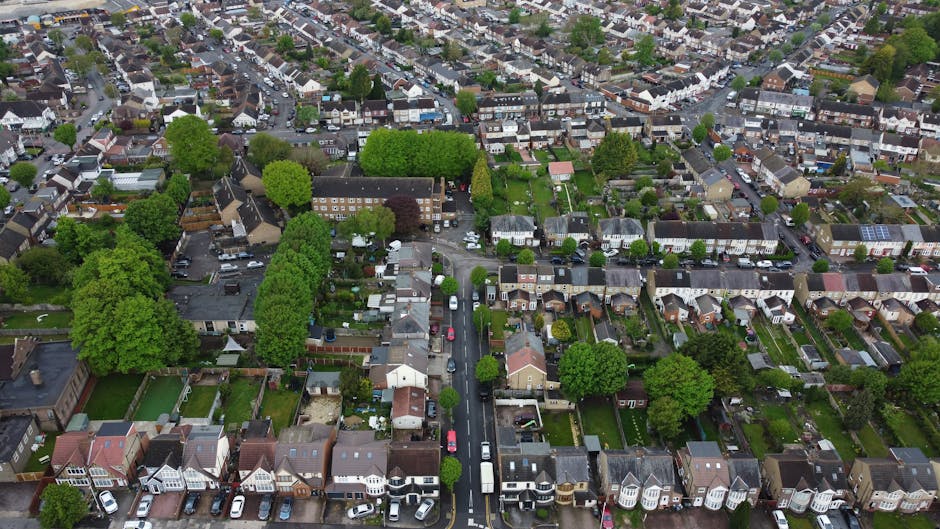
Norbury is a district in south London, positioned within the London Borough of Croydon and closely connected to surrounding parts of south-west London through both road and rail. The area is centred on Norbury station, which opened in 1879 on the Brighton Main Line, and over time the district developed as a suburban settlement with housing, shops and local services along the main road corridors. London Road forms a notable route through the area, and the district’s built environment reflects successive phases of suburban growth rather than a single planned scheme. That gives Norbury a varied streetscape, with terraces, semi-detached housing, corner shops and local parades sitting alongside later infill development.
The area has a strong community character and a mix of everyday amenities that serve local residents as well as people passing through on the route between Streatham, Thornton Heath and broader Croydon. Nearby green spaces and recreation areas provide an important contrast to the busier roads, while local worship, shops and civic facilities contribute to a settled neighbourhood identity. Norbury Hall Park is one of the better-known open spaces, offering a public green setting within the district. The area’s architecture is practical rather than grand, but that is part of its appeal: much of Norbury consists of lived-in streets with a long history of adaptation, subdivision and renewal.
Because the district developed around transport links and suburban expansion, it contains layers of history that can still be read in the street pattern and building styles. Railway access helped shape its growth, while the main roads encouraged retail and service activity at ground level. Today Norbury remains a place where housing, local commerce and community life sit close together, giving it a character that is both urban and residential. Its position in south London means it is also well connected to a wider network of neighbouring districts, but it retains a clear local identity of its own.
Loading, transport and careful handling

The physical side of moving matters as much as the journey itself. Furniture must be lifted with enough space to avoid scraping walls and door frames, and boxes need to be stacked in a way that keeps weight balanced through transit. Our man with van work is built around that practical handling. We focus on making sure items are placed sensibly in the vehicle, secured where needed and unloaded in the right order when we arrive. That approach is especially useful for mixed loads containing both heavy and delicate pieces.
Some moves include items that need extra attention, such as glass-topped tables, mirrors, appliances or furniture with detachable parts. These can usually travel well when they are prepared properly and loaded with care, but they should not be treated as generic boxes. A thoughtful loading sequence helps protect them, and good communication about what is moving allows the job to be arranged more efficiently. If you are not sure how to present a particular item, it is usually better to mention it in advance than to leave it until the day.
Careful handling also means being realistic about what should travel together. A van can carry a lot, but overloading or poor stacking makes the move slower and less secure. We therefore favour a measured approach: enough capacity for the job, enough room for safe loading and enough flexibility to adapt when the contents include unusual shapes or heavier furniture.
Insurance, safety and payment confidence
Customers often want reassurance that their move is being handled responsibly, and sensible moving practice starts with safety. Loads should be lifted in a controlled way, vehicle space should be used efficiently and items should be packed so they do not shift during transit. If you are comparing providers, it is also reasonable to look at the information available on insurance and safety, because moving work involves both physical handling and responsibility for the property being transported.
Payment arrangements should be clear before the job begins, and the safest way to avoid confusion is to confirm the main details in advance. That does not mean every move has to be complicated; it simply means the job can be approached with a shared understanding of what is being moved and how the transport will be carried out. If you want to read more about how transactions are handled, the payment and security page provides the site’s general position in one place.
When a move is organised properly, the process feels easier for everyone involved. Belongings are loaded in a controlled sequence, the vehicle is used efficiently and the destination receives the items in a state that makes unpacking simpler. That combination of practical planning and careful handling is what turns a basic transport booking into a useful moving service.
Requesting a quotation and arranging the move

If you are ready to move ahead, the simplest next step is to request a quotation with a clear outline of the items, the collection point, the delivery point and any access issues such as stairs, narrow parking or long carries. Those details help us suggest the most suitable van-based option for your move and avoid surprises on the day. You do not need to overcomplicate the request; a practical summary of what is moving is usually enough to start the conversation.
For anyone comparing possible dates or checking how to begin, the contact us page is the most direct route to make an enquiry, and the earlier pricing and quotes page can help you think through the kind of service you need. If your move is related to a wider house clearance or planned transport run, it can also be useful to look again at man with van and man with van removal so the booking matches the job clearly.
Whether your move is a single piece of furniture, a partial house load or a small office transfer, our aim is to keep it straightforward. Tell us what needs moving, what matters most and what kind of help you want on the day, and we can help you move from planning to action with a practical, dependable van-based service. Request your quotation today.