Avoid Bulky Waste Fines When Moving in Norbury
Posted on 14/05/2026
Moving house in Norbury is stressful enough without a surprise fine landing on your doormat. The awkward bit is that bulky waste is often the one thing people leave until the last minute: a worn sofa, a mattress that has seen better days, a broken wardrobe, maybe a freezer that has been quietly humming in the corner for years. Then moving day arrives, the skip is full, the van is late, and suddenly the pavement looks like a tempting dumping spot. Don't do it. If you want to avoid bulky waste fines when moving in Norbury, you need a plan before the boxes start stacking up.
This guide walks you through the practical side of it: what counts as bulky waste, why fines happen, how to dispose of items properly, and how to keep your move calm, tidy, and on the right side of local expectations. To be fair, it's a lot simpler when you break it into steps.

Why Avoid Bulky Waste Fines When Moving in Norbury Matters
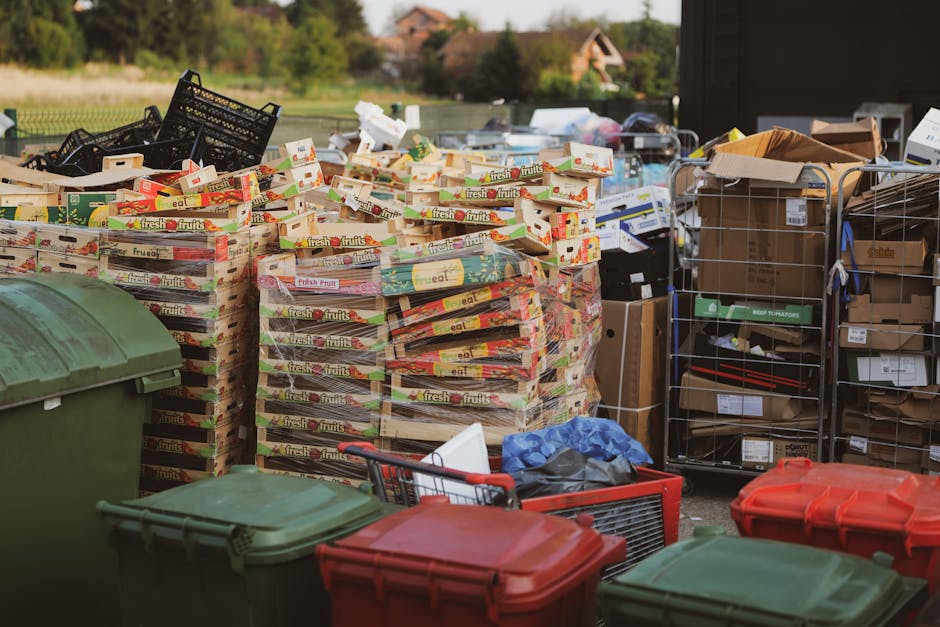
Bulky waste fines are not just about money. They're also about timing, disruption, and the mess that can derail an otherwise well-planned move. In a busy area like Norbury, leaving a mattress, sofa, cabinet, or appliance on the street can quickly become a visible problem. Neighbours notice. Passers-by notice. And if the waste is left where it should not be, the consequences can snowball fast.
What catches people out is not always bad intent. Often it's panic. The move has run over, the old place has to be handed back, and the item is too big to fit into a car. But the fact that it is inconvenient does not make it acceptable to leave it behind. The more you understand the disposal side of moving, the less likely you are to make a rushed decision you regret later.
This matters even more if you are coordinating a full household move, because bulky waste often appears alongside a hundred other tasks: cleaning, packing, key handover, final meter checks, and the low-grade stress that comes from hunting for your kettle while the van is outside. If you need broader help with the move itself, a guide like how to make house moving feel less chaotic can be a useful companion piece.
Key point: a planned disposal process is cheaper, safer, and far less embarrassing than dealing with a fine after the fact. And yes, that tiny bit of planning can save a real headache.
How Avoid Bulky Waste Fines When Moving in Norbury Works
The basic idea is straightforward: do not treat bulky waste as ordinary rubbish. Large items need the right disposal route. That might mean reuse, donation, resale, a booked collection, a recycling option, or moving the item to the new property if it is still worth keeping. The right choice depends on condition, size, timing, and whether the item is actually needed.
For movers, the process usually follows one of four paths:
- Keep it: if the item is still useful and will fit in the new home.
- Sell or donate it: if it is clean, working, and someone else could use it.
- Arrange disposal: if it is broken, unsafe, or not worth transporting.
- Store it temporarily: if you are not ready to decide yet and need breathing room.
A lot of move-related fines happen because people confuse "getting rid of" with "putting outside." Those are not the same thing. If you have ever watched a hallway fill with odd-shaped furniture at 7 p.m. on the night before moving day, you'll know how quickly things get messy. Better to separate what stays, what goes, and what needs professional handling early on. A declutter-first approach, like the one discussed in spacesaving secrets for a smooth declutter before moving, can make a big difference here.
In practice, the safest route is usually to decide item-by-item. A dining chair set may be reusable. A stained mattress probably is not. A freezer may need careful preparation before removal. A piano should never be treated like a standard household object, let alone a casual DIY lift. There is judgement involved, and that's where many people go wrong.
Key Benefits and Practical Advantages
Staying ahead of bulky waste rules during a move does more than prevent penalties. It also makes the whole move feel cleaner and more controlled. That sounds obvious, but it's one of those things people notice immediately once they actually do it properly.
Here are the main advantages:
- Less risk of fines: obvious, but still the biggest one.
- Faster moving day: fewer last-minute decisions and fewer awkward delays.
- Safer handling: fewer chances of injury from trying to wrestle heavy items alone.
- Better use of transport: no wasted van space on items you should have removed earlier.
- Cleaner handover: useful if you are returning a rented flat or selling a property.
- More sustainable choices: reusable items can often be diverted from disposal.
There is also a less obvious benefit: headspace. Once the bulky items are dealt with, packing becomes simpler. Rooms feel lighter. You make quicker decisions. The move stops feeling like a huge pile of unresolved tasks and starts feeling like a sequence of manageable jobs. If you are packing the rest of the home as well, practical packing hacks for a hassle-free move can help keep the momentum going.
And if you are moving furniture-heavy rooms, it can be worth reading about furniture removals in Norbury so you understand how larger items are typically managed safely.
Who This Is For and When It Makes Sense
This guidance is for anyone moving in Norbury who has large household items they do not want to keep, cannot move easily, or are not sure how to dispose of correctly. That includes renters, homeowners, students, landlords, downsizers, and people moving on a tight timetable. It also matters if you are handling a flat move where stair access, narrow hallways, and limited loading space make bulky items more awkward than they look on paper.
It makes especially good sense when:
- you are replacing old furniture at the new address;
- you are clearing a property for sale or tenancy handover;
- you are moving from a top-floor flat with limited lift access;
- you have appliances that are difficult to disconnect or transport;
- you need to reduce load to fit everything into one van trip;
- you want to avoid dealing with waste on the same day as the move.
Students often face this too. A sofa, desk, or bed frame can feel "fine for now" until moving week arrives and it becomes very clear that it is not travelling well. If that sounds familiar, student removals in Norbury may be a helpful route, especially where timing and budget are both tight.
Truth be told, if you are only moving a couple of small boxes, this topic is less urgent. But once bulky items enter the picture, you need a plan. Simple as that.
Step-by-Step Guidance
Here is a practical way to handle bulky waste before or during your move without making life harder than it needs to be.
1. Walk through the property room by room
Start with a physical walk-through. Don't rely on memory. Open cupboards, glance under beds, check the shed if you have one, and look at what is actually taking space. A sofa in the corner may be the obvious item, but the old broken shoe rack or bulky printer stand is often the thing that gets forgotten.
2. Sort items into keep, donate, sell, store, or dispose
This is the point where decisions get real. If you are undecided, be strict with yourself. Ask: would I pay to move this? Would it suit the new place? Is it usable, clean, and safe? If the answer is no, the item probably should not come with you.
3. Measure doorways, stairwells, and the van space
Sometimes the item is not waste at all. It is just too awkward to move without planning. Measure early. A wardrobe that looks manageable in the bedroom can become a nightmare on a landing. For awkward lifting, it helps to understand safer handling techniques; tips for solo heavy lifting and better lifting methods for moving day are worth a look if you are trying to avoid strain.
4. Decide whether removal, recycling, resale, or storage is best
Not every bulky item should go straight to disposal. A decent sofa, for example, may still have value if it is clean and structurally sound. A mattress, however, is often a different story. Storage can also be useful if you are between homes and need time to decide. If that is your situation, storage in Norbury may be worth considering.
5. Separate disassembly from disposal day
If an item can be safely dismantled, do it in advance. Remove shelves, cushions, feet, or detachable legs, and keep screws in a labelled bag. This reduces the size of the load and makes the process cleaner. It also prevents you from trying to operate a screwdriver while everyone is already tired and the hallway is full of boxes. Not ideal, honestly.
6. Book the right support early
Do not leave bulky waste handling until the final afternoon. A scheduled collection or removal plan gives you room to breathe. If you need a wider moving service, it may be easier to bundle everything through a trusted local option such as removal services in Norbury or man with a van in Norbury depending on the size of your load.
7. Clean the items before they leave
Cleaning is not just about appearance. A clean mattress, sofa, or freezer is easier to reuse, donate, or store. It also makes moving easier for everyone involved. If you want a practical handover-ready result, how to ensure your house is clean before moving covers that side of the job well.
Expert Tips for Better Results
Over the years, one pattern shows up again and again: the people who avoid bulky waste problems are not necessarily the most organised by nature. They just make fewer late decisions. That is the real secret.
- Set a bulky-item cutoff date. Once you pass it, no more "maybe we'll take it."
- Use coloured labels. Keep, donate, sell, dispose. It sounds simple because it is.
- Photograph items you may sell or donate. Helps you decide quickly and accurately.
- Check for hidden issues. Water damage, loose joints, trapped food, or missing parts can change your decision.
- Protect floors and walls while moving large items. A chipped skirting board is another headache nobody wants.
- Keep one "last load" area clear. This avoids accidental mixing of rubbish with items you still need.
If you are moving a sofa, read up on safe storage and handling first; a helpful companion guide is sofa storage and long-term care advice. If you are moving a bed or mattress, the right preparation can save a lot of time and annoyance, and a mattress dragged badly can become a far bigger problem than it needed to be.
Also, if the move feels physically demanding, don't pretend it is light work. Heavy lifting can go wrong in a second. One wrong twist and you are out for the week. A tiny bit of caution goes a long way.
Common Mistakes to Avoid
The same mistakes crop up in moving projects all the time. They are easy to make, especially when time is short, but they are also easy to avoid once you know what to watch for.
- Leaving bulky waste for the final day. This is the biggest one. It turns a plan into a scramble.
- Assuming anything big can be left outside. That is how fines and complaints happen.
- Not checking whether an item can be reused. Some items are too good to dump.
- Trying to lift very heavy items alone. Bad idea, really. Not worth it.
- Forgetting access constraints. Narrow staircases, parking limits, and tight corners matter.
- Mixing waste with belongings. Easy to do, annoying to untangle later.
- Ignoring appliance prep. Fridges and freezers need proper preparation, and there is often water or odour to manage.
For example, an idle freezer left unprepared can become a damp, smelly mess by the time you need to move it. If that sounds familiar, the article on keeping an idle freezer pristine is well worth a read. Likewise, piano owners should not assume that a large instrument is just another heavy box; the risks of DIY piano moving are much higher than people expect.
Tools, Resources and Recommendations
You do not need a mountain of specialist kit, but the right tools make a huge difference. A moving trolley, furniture straps, thick gloves, packing tape, labels, dust sheets, and a basic screwdriver set are usually enough for most household clear-outs. For awkward items, protective blankets and corner guards are useful too.
It also helps to have a simple sorting system. One bag for screws, one box for cable ties and remotes, one folder for any documents you need to keep. Small things vanish faster than you think. I know that sounds obvious, but everyone loses at least one bag of fittings during a move. It happens.
When deciding how to handle bulky items, these resources can help:
- services overview for a broader picture of moving support
- packing and boxes in Norbury for organising the rest of the move
- removals in Norbury if you need a complete moving solution
- flat removals in Norbury for tighter access and stair-heavy jobs
- house removals in Norbury for larger domestic moves
If your move includes a delicate or specialist item, use the right service rather than improvising. That is especially true for pianos, which deserve their own plan and equipment. You do not want to discover this by accident while halfway down a staircase.
Law, Compliance, Standards, or Best Practice
Without getting legalistic, the main principle is simple: household waste must be handled responsibly, and you should not leave bulky items in places where they are likely to cause obstruction, nuisance, or illegal dumping concerns. Local waste rules can vary, and the safest approach is to check current requirements before moving day rather than assuming your last experience still applies.
Best practice in the UK context usually means:
- keeping waste on your own property until it is collected or moved appropriately;
- using authorised disposal or recycling routes for bulky items;
- avoiding fly-tipping, even temporarily;
- making sure any removals team understands what is being moved and what is being discarded;
- separating reusable goods from genuine waste wherever possible.
If you are handling a tenancy end, you also have practical obligations around leaving the property clean and clear. A move-out is not the moment to be casual. It is better to document what you have removed, what remains, and what has been handed over. That kind of discipline helps avoid disputes later. If you want a bit more confidence on service standards and how a professional team operates, the company's health and safety policy and insurance and safety information are relevant trust signals to review.
If you are weighing up providers, a glance at removal companies in Norbury can also help you compare your options more sensibly, especially where safety and handling matter more than a cheap headline price.
Options, Methods, or Comparison Table
There is no one-size-fits-all answer for bulky waste during a move. The best method depends on the item, the time you have, and how much effort you want to spend. Here is a simple comparison to make the decision easier.
| Method | Best for | Pros | Watch-outs |
|---|---|---|---|
| Keep and move it | Useful, good-condition furniture and appliances | No replacement cost; keeps familiar items | Can take up van space; may need dismantling |
| Sell or donate | Clean, functional items with reuse value | Reduces waste; may help someone else | Needs time, photos, and coordination |
| Store temporarily | Items you are not ready to decide on | Buys time; avoids rushed disposal | Storage cost and another logistics step |
| Arrange removal | Large or awkward items that are no longer needed | Efficient, tidy, less stress on moving day | Must be planned early; access matters |
In many real moves, the smartest approach is a blend. Keep the better items, sell or donate the usable ones, and arrange removal for the rest. That combination saves space and reduces the risk of any last-minute "where on earth does this go?" moment.
Case Study or Real-World Example
A typical Norbury move might look like this. A family in a two-bedroom flat has an old sofa, a bed frame, a chest of drawers, and a freezer they no longer want. At first, they assume they can sort everything on moving day. By the end of the first packing weekend, though, the hallway is blocked, the sofa is too bulky for the car, and the freezer has started to smell a bit iffy after being unplugged. The whole job suddenly feels much bigger.
Instead of leaving it to chance, they split the process. The bed frame gets dismantled and moved. The sofa is checked against the new layout and then booked for removal. The freezer is defrosted and cleared early. A couple of smaller pieces are sold locally, and the rest are separated for proper disposal. The move itself becomes easier because there is simply less clutter in the way.
That sort of outcome is boring in the best way. No drama. No fines. No last-minute panic. Just a cleaner exit and a calmer arrival. And for anyone moving on a weekday afternoon with traffic building and someone already asking where the tea bags are, that calm is worth a lot.
Practical Checklist
Use this checklist a few days before the move. It keeps the bulky items from slipping through the cracks.
- Walk through every room and identify large items.
- Decide whether each item is staying, going, or being stored.
- Measure doorways, stairwells, and lifting routes.
- Check whether items can be dismantled safely.
- Separate reusable items from true waste.
- Clean furniture and appliances before moving or disposal.
- Book removal or storage support if needed.
- Set aside tools, straps, tape, and protective covers.
- Label screws, cables, and loose fittings clearly.
- Keep the final moving area clear of waste and clutter.
- Do a final sweep before leaving the property.
If the move is more complicated than expected, you may also benefit from a professional team that can handle both access and timing. For bigger household jobs, man and van services in Norbury can be a practical middle ground between doing everything yourself and booking a fully managed move.
Conclusion
Avoiding bulky waste fines when moving in Norbury is mostly about planning early, making honest decisions about what to keep, and using the right disposal route for each item. The real trick is not heroic effort. It is reducing the number of things that can go wrong on the day.
When bulky waste is sorted before the move, everything else gets easier: packing, loading, cleaning, access, and handover. You move faster, you stress less, and you are far less likely to end up dealing with a preventable problem. That is a good trade, any day of the week.
If you are still mapping out the move and want a smoother next step, start with the items taking up the most space and get them under control first. Small wins, then bigger ones.
Get a free quote today and see how much you can save.
And if you can, give yourself a quiet moment before the last box goes out. A move done properly has a way of leaving the place feeling lighter, almost like it can breathe again.