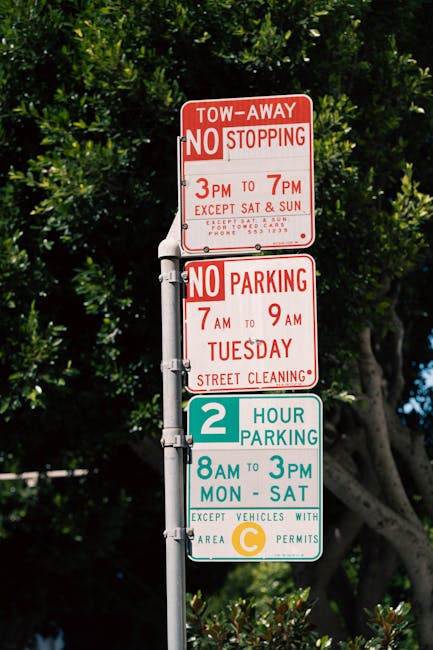
Croydon Council Permits: Removals Rules for Norbury Homes
If you're moving house in Norbury, one of the first questions that tends to pop up is simple enough: do you need a permit, a suspension, or just a bit of planning? The answer depends on where your van will stop, how long it needs to stay there, and whether your street is under Croydon Council parking control. That's the reality of moving in south London-sometimes the paperwork matters as much as the packing tape.
This guide breaks down Croydon Council Permits: Removals Rules for Norbury Homes in plain English. You'll learn why they matter, how they usually work, what mistakes can cause stress on moving day, and how to plan a smoother removal without last-minute chaos. We'll also look at the practical side: loading, timing, road space, and how to line up your move with a professional team such as removals or a flexible man and van service when that makes sense.
Truth be told, the best moving days are usually the boring ones. No fines, no blocked bays, no driver circling the street while someone in the hallway is wondering where the sofa has gone. Just a well-timed plan and a clear idea of what Croydon expects.
Table of Contents
- Why Croydon Council Permits: Removals Rules for Norbury Homes Matters
- How Croydon Council Permits: Removals Rules for Norbury Homes Works
- Key Benefits and Practical Advantages
- Who This Is For and When It Makes Sense
- Step-by-Step Guidance
- Expert Tips for Better Results
- Common Mistakes to Avoid
- Tools, Resources and Recommendations
- Law, Compliance, Standards, or Best Practice
- Options, Methods, or Comparison Table
- Case Study or Real-World Example
- Practical Checklist
- Conclusion
- Frequently Asked Questions
Why Croydon Council Permits: Removals Rules for Norbury Homes Matters
A house move in Norbury is rarely just a matter of turning up with a van and hoping for the best. Streets can be narrow, parking can be tight, and many properties sit on roads where stopping casually is not really an option. If your removal vehicle needs to park on a controlled street, block a bay, or use space that is normally reserved, a permit or parking arrangement may be needed.
That matters for three very practical reasons. First, it helps you avoid penalties and unnecessary disruption. Second, it reduces the chance of the moving crew losing time while searching for legal parking nearby. Third, it keeps neighbours, pedestrians, and other road users safer and less annoyed. Let's face it, nobody enjoys a removal van half on the pavement while people squeeze past with shopping bags and pushchairs.
There's also a time-saving angle. A proper parking setup means your movers can get straight on with the job, which is especially helpful if you are dealing with stairs, shared entrances, or a busy road. In our experience, the difference between a smooth move and a stressful one is often a few metres of legal loading space.
Key takeaway: if your Norbury home move involves stopping on a restricted or busy street, check the parking and permit position early. A little admin now can save a lot of hassle later.
How Croydon Council Permits: Removals Rules for Norbury Homes Works
Parking and removal access rules in Croydon are usually about location, timing, and the type of street you're dealing with. For many moves, the main question is whether the vehicle can legally stop close enough to the property to load safely. On some roads, especially where yellow lines, controlled parking zones, or bay restrictions are in place, stopping without permission may not be allowed.
The exact process can vary depending on the street, the length of the stop, and the size of the vehicle. A small moving van may be easier to place than a larger lorry, but even a compact vehicle can create problems if it's left in the wrong spot. For this reason, people often compare options such as man with a van, a dedicated removal company, or a broader removal services package depending on how much access the road allows.
In practical terms, the process usually comes down to this:
- Identify the road restrictions outside the property.
- Work out whether the vehicle can legally stop for loading.
- Check whether any bay suspension, dispensation, or parking permission is needed.
- Allow enough lead time for the request and any changes.
- Make sure everyone involved knows the plan on moving day.
You do not want the first person to discover a problem to be the driver. That's the sort of surprise that eats daylight fast.
Key Benefits and Practical Advantages
When you get the permit side right, the whole move feels easier. There's less waiting, less back-and-forth, and fewer awkward moments where the team is carrying boxes from a side street because the van couldn't stop outside. Small thing? Maybe. But on moving day, small things become big things quickly.
Here are the main benefits of planning removals rules properly for Norbury homes:
- Better access: the vehicle can park nearer to the front door, which speeds up loading and unloading.
- Lower stress: you're not trying to solve parking at the same time as dismantling beds or finding kettle cables.
- Less risk of disruption: fewer delays for neighbours, pedestrians, and your moving team.
- More efficient labour: movers spend time moving items, not walking them up and down the road.
- Cleaner planning: you can coordinate lift access, packing, van size, and arrival time with fewer surprises.
There's also a comfort factor. When the van is legally and sensibly positioned, the whole street tends to feel less tense. You'll notice that immediately if you've ever tried to move on a wet Tuesday morning with traffic building behind you. Not fun, honestly.
If your move is part of a larger relocation, it can be worth looking at complementary services too, such as home moves, house removals, or packing and unpacking services so the access plan and the packing plan work together.
Who This Is For and When It Makes Sense
This topic is most relevant if you're moving from or to a home in Norbury and the property sits on a street with any kind of parking control. That includes terraced streets, busier connecting roads, and places where loading bays are shared or time-limited. It also matters if your possessions are bulky, heavy, or numerous enough that you can't just unload in one quick lift.
You may especially need to think about permits or parking arrangements if:
- your home is on a busy road with restricted parking;
- you live in a flat, maisonette, or upper-floor property;
- the van needs to remain outside for more than a few minutes;
- you're moving at peak times when kerbside space is scarce;
- the vehicle is larger than a standard car and may need dedicated loading space;
- you are coordinating a chain move and timings are tight.
For some people, the best fit is a straightforward man with van removal style job. For others, especially larger homes, a broader house movers arrangement feels more realistic. And if you're shifting business stock or office furniture rather than sofas and boxes, then commercial moves or office removals may be a better match.
Who is it for, in one line? Anyone who wants the move done legally, efficiently, and without a parking headache hanging over the day.
Step-by-Step Guidance
If you want a calm moving day, follow a sensible sequence. Don't leave the permit question until the night before, because that usually turns into a mad scramble over parking signs, phone calls, and somebody saying, "I'm sure it'll be fine." Famous last words.
1. Check the street outside both properties
Look for controlled parking zones, yellow lines, resident bays, loading restrictions, suspended bays, or any street works that might narrow access. If you can, stand outside around the same time of day your move is planned. The road can feel very different at 8am compared with lunchtime.
2. Measure the practical space you need
Think about the vehicle length, the width of the road, and whether there is enough room for doors to open safely. A larger van or truck may need more planning than you first expect. If you're not sure, ask the removals provider what kind of vehicle suits the job instead of guessing.
3. Decide whether the move needs parking control support
Not every move does, but many do. If the van can stop safely and legally without blocking traffic or breaching restrictions, you may not need anything further. If it can't, then it is worth looking into the right council process early. That may mean a permit, an exemption, or a different access plan depending on the road and the circumstances.
4. Book the move with access in mind
When you book a removal company or a man and van removals service, be upfront about parking, floor level, and any narrow access. The more honest the briefing, the better the quote and the smoother the day. People sometimes hide the awkward staircase. It never ends well.
5. Prepare the property for fast loading
Stack boxes near the exit, dismantle furniture in advance if needed, and keep hallways clear. If access is limited, every minute counts. A tidy path can save surprising amounts of time, especially in older Norbury homes where doors, landings, and turns are just a bit tighter than you'd like.
6. Confirm the plan the day before
Check arrival time, vehicle details, and where the driver should park. If you've arranged a permit or temporary loading permission, keep the details handy. A screenshot or printed copy can be useful when everyone is rushed and nobody wants to hunt through emails.
Expert Tips for Better Results
Over time, the moves that go smoothly tend to have the same ingredients: early planning, honest communication, and realistic timing. Nothing glamorous, but very effective.
- Book early for tighter streets: if your road is narrow or heavily parked, don't leave access planning to the last minute.
- Match the vehicle to the property: a smaller van can sometimes be a smarter choice than forcing a larger truck into a cramped street.
- Ask about loading sequence: heavy items first, fragile items last, or whatever order best suits the property layout.
- Keep the front entrance clear: bins, bikes, and planters have a habit of becoming obstacles exactly when you need space.
- Leave a little timing slack: one delayed lift or one awkward parking manoeuvre can ripple through the whole move.
Here's a very ordinary but useful observation: the best removals often look slightly overprepared. Labels on boxes, doors propped open, kettles packed last. It all seems a bit much until you're two hours in and grateful you did it.
If you want more confidence around safety and handling, it's worth checking a provider's health and safety policy and insurance and safety approach before you commit. That's not being fussy. That's being sensible.
Common Mistakes to Avoid
A lot of moving stress comes from a few avoidable errors. The good news is that they're easy to sidestep once you know what to look for.
- Assuming parking will be fine: "There's usually space" is not a plan.
- Forgetting loading time: a van parked legally still has to stay within the rules for the full duration of the move.
- Booking the wrong vehicle size: too small means extra trips; too large may mean access trouble.
- Not checking the street on a weekday: road conditions can change dramatically when everyone is commuting.
- Leaving permit checks too late: last-minute admin is where mistakes multiply.
- Ignoring building access: stairs, lifts, and shared entrances can be just as important as kerbside parking.
One more thing. Don't rely on memory alone. The neighbour may swear that parking is always easy outside the house. They may even be right. But if a restriction changes or a bay is suspended, that memory won't help much when the driver arrives. Slightly annoying, yes. Very avoidable, also yes.
Tools, Resources and Recommendations
You do not need a huge stack of gear to handle a move properly, but a few simple tools make the process less messy.
- Box labels and marker pens: keep the destination rooms clear.
- Furniture blankets and straps: useful for protecting larger items in transit.
- Measuring tape: great for checking whether that wardrobe will fit down the hallway.
- Mobile screenshots or printed notes: handy for permit confirmations, parking arrangements, and driver details.
- Floor plan or rough sketch: very helpful in flats or awkward houses where access is not straightforward.
If you're comparing moving support, a small removals near me search can help you shortlist local teams, but the best choice is usually the one that understands access challenges rather than just offering the cheapest quote. If you're moving heavier items or doing part-load transport, options like removal van or removal van may be more suitable than a large truck. It depends on the street, not just the job.
For households trying to keep things tidy and reduce waste, it can also help to review recycling and sustainability guidance before moving day. Old packaging, unwanted furniture, and duplicate household items are easier to handle when you already have a plan.
Law, Compliance, Standards, or Best Practice
Moving house in Croydon is not only about convenience; it's also about respecting road rules, parking controls, and basic public safety. The exact permit or parking arrangement needed will depend on the location and the council's current procedures, so it is wise not to assume that one street works the same way as the next. Norbury can be a bit patchy in that respect, to be fair.
As a general best practice, you should aim to:
- park legally and without causing unnecessary obstruction;
- allow pedestrians and other road users safe passage;
- avoid blocking driveways, crossings, or restricted spaces;
- keep the move aligned with the property's access limitations;
- make sure the moving team understands the constraints before arrival.
From a professional removals perspective, good practice also includes vehicle suitability, clear communication, insured handling, and careful loading. If you are checking standards, useful pages to review include terms and conditions, privacy policy, and payment and security. These are not parking rules, of course, but they do help you understand how a provider works and what to expect.
Where council process details are concerned, use plain caution: check the current local guidance directly with the council or through your booking arrangements, and do it early enough to allow for admin. That advice may sound almost too simple. It isn't. Simple is exactly what saves time.
Options, Methods, or Comparison Table
Different moves need different approaches. Here's a practical comparison of common ways people handle Norbury removals when parking is tight or street access is awkward.
| Approach | Best for | Strengths | Potential drawbacks |
|---|---|---|---|
| Small van move | Light to medium household contents, tight streets | Easier parking, more flexible access | May need more trips for larger households |
| Full removal company | Whole-house moves, heavier furniture, more items | More hands, more structure, often more efficient | Needs stronger planning for parking and loading space |
| Man and van | Smaller moves, part-loads, single items | Quick, adaptable, often ideal for local moves | Not always enough capacity for larger homes |
| Office or commercial move | Business relocation, stock, furniture, equipment | Can be scheduled around business hours | Access and timing may be more complex |
There isn't one universally "best" option. The right choice depends on the street, the amount to move, and how much time you have. If your property is awkward to access, a smaller vehicle and a more focused team can often beat a bigger setup that looks impressive but struggles to stop. Big van, small street. You can probably see the issue.
Case Study or Real-World Example
Picture a fairly typical Norbury move on a damp Friday morning. Not dramatic, just one of those days where the pavement is a little shiny and the bins have been left out longer than anyone intended. The property is a terraced house on a road with limited parking, and the owners have a sofa, dining table, bed frames, and a lot of cardboard boxes that seem to have multiplied overnight.
Instead of leaving the van plan until arrival, the move is checked in advance. The vehicle size is matched to the street, the loading point is discussed, and the household gets everything packed close to the front door. The result? Fewer trips, less waiting, and no awkward ten-minute shuffle because the van had to stop farther away than expected.
It wasn't magical. Just organised.
And that's the real lesson. When Croydon Council permits or parking controls are part of the picture, the best move is the one where the road, the vehicle, and the packing plan all fit together. Once that clicks, the whole job feels less like a scramble and more like a proper handover.
Practical Checklist
Use this checklist in the days leading up to your move. It's simple, but it covers the parts people tend to forget when they're busy wrapping plates and trying not to lose a screwdriver.
- Confirm the moving date and arrival window.
- Check parking restrictions outside both properties.
- Decide whether a permit, loading arrangement, or other parking control is needed.
- Measure bulky furniture and awkward items.
- Choose the right vehicle size for the street and load.
- Tell the removals team about stairs, lifts, and narrow hallways.
- Label boxes by room and priority.
- Keep essentials separate for the first night.
- Make sure keys, documents, and phone chargers are easy to reach.
- Leave entrance areas clear for fast loading.
- Review the provider's safety, insurance, and terms information.
- Double-check the plan the evening before moving day.
Small checklist, big difference. Seriously.
Conclusion
Croydon Council permits and removals rules for Norbury homes are really about one thing: making your move legal, efficient, and less stressful. If you sort out parking and access early, choose the right vehicle, and brief your movers properly, you give yourself a much better chance of a calm day. That matters whether you're moving out of a flat, a family house, or a property where the street is always a little too busy for comfort.
Keep it practical. Check the road, plan the load, and don't leave the parking question to chance. If you're moving soon, the smartest step is to speak with a local removals provider who understands Norbury streets and can help you line up the right vehicle, timing, and access plan. Get a free quote today and see how much you can save.
And if all you manage this week is one organised box pile and a clear parking plan, that's still a very good start. Moving is rarely elegant. But it can be smooth, and that's enough.
Frequently Asked Questions
Do I need a permit for a house move in Norbury?
Sometimes, yes. It depends on the street, the parking restrictions in place, and whether the removal vehicle needs to stop in a controlled bay, on yellow lines, or in another restricted area. Some moves can be handled without a permit if the van can park legally and safely nearby, but it is worth checking early rather than assuming.
How far in advance should I sort out parking for a removals van?
As early as possible. A few days may be enough for some simple moves, but tighter streets and more complex parking situations need more lead time. Early planning also gives you time to change the vehicle size or loading plan if needed.
What happens if the van cannot stop outside my Norbury home?
If the van cannot stop close enough to the property, the move usually becomes slower and more physical. Items may need to be carried further, which adds time and effort. In a worst-case scenario, you may need to revise the parking plan or choose a different vehicle. Not ideal, but fixable.
Is a smaller van better for narrow Croydon streets?
Often, yes. A smaller van can make loading easier on compact roads, especially where parking is limited. That said, the right choice depends on how much you need to move. A van that is too small can create extra trips, so it's a balance.
Can a removal company help with permit planning?
Many experienced removal teams can guide you on the practical side of parking and access. They may not handle the council process in every case, but they can tell you what kind of setup is likely to work best and what details they need from you.
What should I tell my mover before moving day?
Tell them about parking restrictions, stairs, lifts, narrow entrances, long driveways, large furniture, and any time limits on loading. The more accurate the information, the better the plan. It sounds obvious, but this is one of the areas where people tend to under-share.
Do flats and maisonettes need more planning than houses?
Usually they do. Shared entrances, upper floors, limited communal parking, and lift access can all affect the move. If you live in a flat, it's worth checking both the road access and the building access, because one can be fine while the other causes delays.
What is the biggest mistake people make with removals rules in Norbury?
The biggest mistake is leaving parking and access planning until the last minute. A close second is assuming that because the street looked free on one visit, it will be suitable on moving day. Roads change fast. Very fast.
Are removal services suitable for larger homes in Norbury?
Yes, especially if you have a full household to move or heavy furniture to handle. Larger homes usually benefit from a structured team and a vehicle that matches the load. That said, you still need to think about access, because a big truck isn't helpful if the street is too tight for it.
How do I know whether I need a loading bay or a permit?
It depends on what parking or loading restrictions apply outside the property and how long the vehicle needs to stay there. If the stop is short, you may have different options than if the van needs to remain in place during the whole loading process. When in doubt, check the current local arrangement before moving day.
Can I combine packing help with my removal booking?
Yes, and for many households that's a very sensible choice. Using packing and unpacking services can take pressure off moving day and help the team load faster, especially when access is tight.
What if I'm moving a single large item rather than a full house?
A smaller service such as a furniture pick up or a light man with van job may be enough. For one item, the key issue is still access. A single sofa can be just as tricky as a whole room if the parking is wrong.
Where can I check more about the company before booking?
It helps to review the provider's about us page, along with safety and terms information, so you know how they work and what standards they follow. A little due diligence now saves confusion later.
Get a free quote today and see how much you can save.