Staircase Challenges in Norbury Flats: Practical Solutions
Posted on 02/06/2026
Moving in a Norbury flat can feel simple on paper and awkward in real life. The lift is tiny, the stairs turn sharply, the landing is narrow, and suddenly a normal sofa becomes a puzzle. If you are dealing with Staircase Challenges in Norbury Flats: Practical Solutions, you are not alone. These buildings often come with tight bends, older stair layouts, shared entrances, and neighbours who would quite like a quiet morning, thank you very much.
This guide breaks down the problem in plain English and shows you how to handle it properly. We will look at why staircase access matters, how to measure and plan, what equipment helps, when a piece of furniture should be dismantled, and when it is wiser to bring in experienced help. You will also find a checklist, a practical comparison table, and a few real-world examples that make the whole process feel less intimidating.
Why Staircase Challenges in Norbury Flats: Practical Solutions Matters
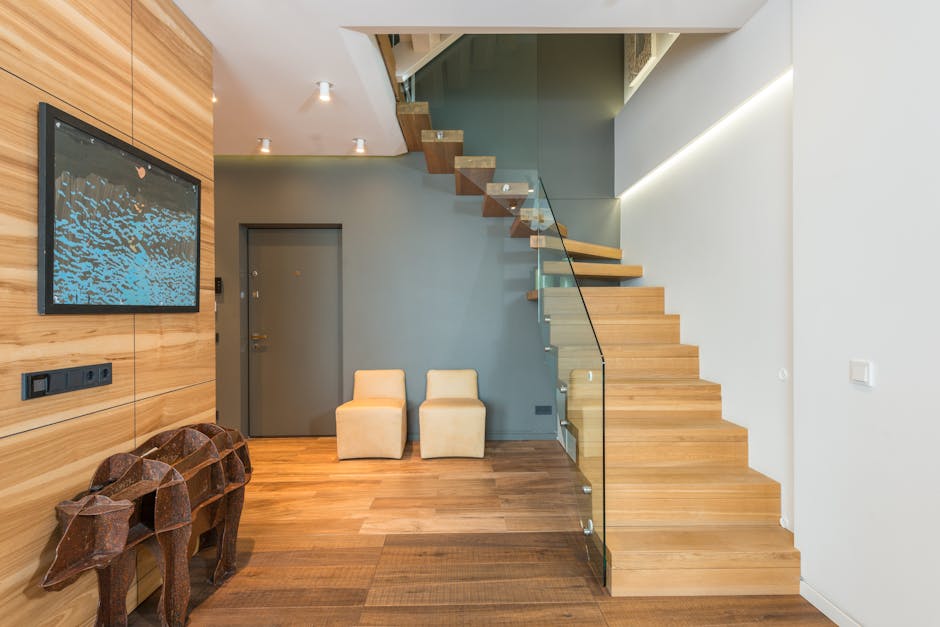
Staircase access is one of those move-day details that gets overlooked until the last minute. In Norbury flats, especially in older mansion blocks, purpose-built estates, and converted homes, stairs can be steep, tight, twisty, or interrupted by awkward half-landings. That creates a very real challenge for bulky items such as wardrobes, beds, white goods, sofas, and pianos.
Why does it matter so much? Because a staircase issue can affect the whole move, not just one item. If a sofa gets stuck halfway up the stairs, everything behind it slows down. If someone has to twist awkwardly, the risk of damage or strain climbs fast. And if the route has not been checked in advance, you can end up with wasted time, frustrated neighbours, and a move that feels more like a stunt than a planned transition.
To be fair, many people assume they can "just carry it carefully". Sometimes that works. Often, it does not. The difference between a smooth move and a stressful one is usually preparation: measuring properly, breaking furniture down where possible, choosing the right carrying method, and knowing when to change the plan.
For more context on broader moving preparation, it can help to read how to keep a house move calm and organised, especially if your staircase is just one part of a bigger relocation.
How Staircase Challenges in Norbury Flats: Practical Solutions Works
The idea is simple: turn an awkward physical route into a controlled moving plan. That means you are not trying to brute-force furniture through a narrow space. Instead, you assess the route, match the item to the route, and choose the safest handling method.
There are usually four parts to the process:
- Assess the staircase - measure width, landing size, ceiling height, handrail placement, and turning points.
- Assess the item - measure the length, width, depth, and any awkward protrusions like legs, handles, or mattress handles.
- Reduce the size where possible - remove legs, doors, shelves, cushions, or headboards before you start.
- Choose the carry method - upright tilt, two-person lift, strap-assisted carry, protective wrapping, or, where needed, a different route altogether.
In a Norbury flat, the staircase itself may be the main obstacle, but it is rarely the only one. Shared entrances, door frames, parking distance, and the timing of lift access all matter too. That is why stair planning should sit alongside packing, route planning, and furniture preparation rather than being treated as an afterthought.
A practical solution is not always "more strength". More often, it is better sequencing. For example, remove the largest item first while the route is clear, then bring down smaller boxes later. That one decision can save a lot of shuffling and backtracking.
If your move involves sofas or other oversized furniture, smart sofa handling and storage advice can also help you avoid avoidable damage while the item is waiting to be moved or reassembled.
Key Benefits and Practical Advantages
Good staircase planning pays off quickly. The obvious benefit is fewer problems on moving day, but the real value goes deeper than that.
- Less risk of damage to walls, banisters, furniture, and floors.
- Safer lifting for you and anyone helping out.
- Less stress because you know what will fit and what will not.
- Faster loading and unloading when the right items are ready first.
- Better neighbour relations thanks to less noise, less blocking, and less faffing about in communal areas.
- More predictable costs if you are using moving support and the team can prepare properly.
There is also a quieter advantage that people often miss: confidence. Once you know the route has been checked and the heavy pieces have a plan, the move feels less chaotic. You stop second-guessing every corner. That matters, especially if the flat is on a higher floor and the stairwell is the only practical route.
For heavier items, it can be useful to think about handling technique as much as brute strength. Our guide to safe, efficient lifting technique is a good companion read if you want a more body-friendly approach.
Who This Is For and When It Makes Sense
This kind of planning is useful for almost anyone moving in or out of a flat, but it becomes especially important in a few common situations.
- Tenants moving into or out of upper-floor flats without much lift access.
- Landlords and letting agents arranging handovers in properties with difficult access.
- Students moving into compact flats with narrow internal stairs or shared access areas.
- Families moving sofas, beds, wardrobes, children's furniture, and appliances.
- Remote workers relocating home office desks, monitors, printers, and filing storage.
- Anyone with bulky, fragile, or valuable items such as a piano, large mirror, or antique cabinet.
It makes sense whenever the item is expensive to replace, hard to manoeuvre, or simply too awkward to risk. Truth be told, even one badly judged turn on a staircase can leave you with a scratched wall and a very bad mood. Not ideal.
If you are a student moving in Norbury, a route-first approach is often the difference between a tidy move and a noisy scramble. The team at student removals in Norbury can be a useful option when you need compact, quick-moving support for a flat with tricky stairs.
Step-by-Step Guidance
Here is a practical way to approach staircase challenges without overcomplicating things.
1) Measure the staircase properly
Start with the basics: width at the narrowest point, depth of the landings, height under any low ceilings, and the usable opening at each turn. Measure the furniture too, including any bits that stick out. A wardrobe that is 80 cm wide may still be awkward if the handles add another few centimetres.
2) Check for obstacles
Look out for banisters, radiators, tight corners, low light, chipped steps, and awkward front doors. If you are moving in the evening or first thing in the morning, poor lighting makes everything feel smaller. It is a tiny thing, but it matters.
3) Decide what can be dismantled
Many items become much easier once you remove legs, doors, shelves, drawers, headboards, or armrests. Bed frames are a classic example. A mattress may squeeze up a stairwell, but a fully assembled base often will not. For a more detailed approach, see bed and mattress moving guidance.
4) Protect the stairwell and the item
Use blankets, corner protectors, and wrap where sensible. The aim is to avoid scuffs on the wall and dings on the furniture. In a communal staircase, this also shows respect for the building and for the people who live there.
5) Assign the right number of people
Some items are fine with two people. Others need three or four, especially if there is a tricky turn or a long carry. Do not under-resource the job. It just creates tension. And usually swearing, let's face it.
6) Move the hardest items first
If the staircase is clear, get the biggest items through before the space fills up with boxes. Once the easy stuff starts stacking in the hall, everything becomes clumsier.
7) Reassess on the landing
Landings are often where the real challenge appears. If a turn feels impossible, stop, reset the grip, and try a different angle. Forcing it is how damage happens.
8) Keep communication simple
Use short commands: stop, lift, turn, lower, hold. No one needs a speech in the middle of a stairwell. A clear voice and steady pace work better than panic.
Expert Tips for Better Results
These are the small details that tend to separate a messy move from a controlled one.
- Wrap fragile edges first. Corners and handles are the first things to take a knock.
- Use the stairwell shape to your advantage. Sometimes tilting a sofa vertically is safer than trying to keep it flat.
- Check grip points before you lift. Know who is holding what before anything moves.
- Keep one person free to guide. A spotter can save you from a bad turn.
- Remove clutter from the route. Shoes, umbrellas, bins, laundry baskets - all of them become trip hazards.
- Plan the order of items. Heavier and wider pieces should usually go before the smaller boxes.
- Use proper lifting habits. Bend your knees, keep the load close, and don't twist your back under load.
A small but useful tip: tape off or mark the turns mentally before you start. In a narrow stairwell, the main panic point is often the bend, not the stairs themselves. Knowing where that bend happens makes the whole job feel much more manageable.
If you are moving a sofa, it is worth pairing this with the advice in practical packing hacks for house moves so the rest of the move does not create more obstruction while the bulky item is being carried.
Common Mistakes to Avoid
Most staircase problems are not dramatic failures. They are small planning mistakes that stack up.
- Skipping measurements and hoping the item will "just fit".
- Leaving dismantling until moving day when tools are buried in a box somewhere.
- Trying to carry too much at once because you want to save time.
- Ignoring landing space and discovering, too late, that the turn is the real bottleneck.
- Failing to protect walls and banisters, which leads to avoidable damage.
- Using the wrong footwear or shoes with poor grip. Slippers are not a strategy.
- Not checking building rules or access conditions before the move begins.
Another mistake is assuming every item needs the same approach. A mattress, a freezer, and a piano are all "bulky", but they behave very differently on stairs. If you treat them the same way, you are asking for trouble. For pianos in particular, the risks rise fast; DIY piano moving risks are worth understanding before anyone even touches the instrument.
Tools, Resources and Recommendations
You do not need a van full of specialised kit for every move, but a few sensible tools make stair work much safer and less awkward.
- Furniture blankets for wall and item protection.
- Moving straps to improve control on awkward lifts.
- Gloves with grip to protect hands and improve handling.
- Ratchet straps for securing items once they are loaded.
- Floor protectors for shared entrances or delicate flooring.
- Basic tools such as screwdrivers and Allen keys for dismantling furniture.
- Labels and tape so dismantled parts do not become a jumble.
For some moves, storage can buy you breathing room. If your new flat is not ready, or if you need to stage items away from a difficult stairwell for a few days, storage in Norbury can be a practical halfway step.
And if you are still in the sorting phase, it may help to read space-saving declutter advice before moving. Less stuff means fewer staircase headaches. Simple, really.
Law, Compliance, Standards, or Best Practice
For a domestic flat move, the main concern is not legal complexity so much as safe working practice and respect for the building. If you live in a leasehold block or shared building, there may be building rules about moving hours, lift booking, protection for communal areas, and noise. Always check what applies locally and with the property manager if needed.
From a safety point of view, a sensible approach is to:
- avoid rushing on stairs;
- keep access routes clear;
- use enough people for the weight and shape involved;
- protect shared surfaces where practical;
- stop if visibility, balance, or grip becomes poor.
For removal providers, you should also expect clear information about insurance, handling procedures, and how damage or complaints are managed. Those details build trust for a reason. If you want to understand that side of the service, take a look at insurance and safety information and the health and safety policy pages.
Best practice is not about being over-cautious. It is about being prepared enough that nobody has to guess under pressure.
Options, Methods, or Comparison Table
There is more than one way to deal with staircase access. The right choice depends on the item, the stair geometry, and how much risk you are willing to accept. Here is a simple comparison.
| Method | Best for | Advantages | Limitations |
|---|---|---|---|
| Two-person carry | Smaller furniture, boxed items, lighter appliances | Simple, quick, low-cost | Not ideal for awkward turns or very heavy loads |
| Dismantled carry | Beds, wardrobes, tables, shelving | Usually easier to fit around corners | Needs time, tools, and careful reassembly |
| Strap-assisted handling | Heavier items with good grip points | Better control and less strain | Requires technique and coordination |
| Specialist handling | Pianos, oversized sofas, valuable or fragile items | Reduced risk, better protection | May cost more and needs planning |
| Alternative access route | Very difficult staircases or blocked internal access | Can solve a problem that stairs cannot | Dependent on building layout and permission |
In practice, many moves use a mix of methods. A sofa might need dismantling, a bed frame may need strap-assisted carrying, and the rest of the flat can go with a standard two-person lift. That mix-and-match approach is often the sensible one.
Case Study or Real-World Example
Imagine a typical Norbury flat move: first-floor access, a narrow internal stairwell, a two-seater sofa, a king-size bed frame, and a fridge-freezer. Nothing extreme. But enough to cause trouble if handled casually.
The first mistake would be starting with boxes because they seem easy. Very soon, the hallway is full, the landing gets cramped, and the sofa can no longer turn comfortably. Instead, a better approach is to move the large items first. The bed frame is dismantled before the day begins, the fridge is checked for width against the staircase, and the sofa cushions are removed so the frame is lighter and narrower.
On the day, one person stands at the base of the stairs guiding the angle, while another controls the top end. The banister is padded, the walls near the turn are protected, and the team pauses at the landing rather than forcing the bend. The fridge-freezer goes last, after the route is clear. It is slower than simply charging ahead, but the result is far better: less noise, fewer bumps, and no damage to the plasterwork.
That is the general lesson with staircase challenges. You rarely need heroic effort. You need sequence, patience, and a bit of realism.
If bulky waste is part of your move, or you are replacing old furniture before you shift, it is also worth reading how to avoid bulky waste fines when moving in Norbury. It can save an annoying last-minute headache.
Practical Checklist
Use this checklist a day or two before the move, not five minutes before everyone arrives.
- Measure the staircase width, landings, and turns.
- Measure every bulky item, including handles and feet.
- Decide which items must be dismantled.
- Gather tools, straps, blankets, tape, and gloves.
- Clear the stairwell, hallway, and entry route.
- Check for parking, access, and any building restrictions.
- Protect walls, banisters, and floors where needed.
- Assign enough people for heavy or awkward items.
- Agree on simple commands before lifting begins.
- Keep fragile and valuable items separate from general boxes.
- Move large items first while the route is clear.
- Pause and reassess if a turn feels wrong.
Expert summary: staircase problems in Norbury flats are usually solved by preparation, not power. Measure carefully, dismantle where sensible, protect the building, and choose the right lifting method. If the item is unusually heavy, fragile, or simply too awkward, specialist support is often the safest and least stressful option.
Conclusion
Staircases in Norbury flats can be tight, oddly shaped, and a little unforgiving. But they are not unbeatable. Once you understand the route, size up the items properly, and plan the order of the move, the whole job becomes much more manageable. That is the heart of Staircase Challenges in Norbury Flats: Practical Solutions: turning a stressful unknown into a calm, practical process.
And honestly, that calm matters. You notice it in the small things - less noise on the stairs, fewer awkward pauses, no wall scuffs, no panicked reshuffling at the landing. Just a move that feels under control. Nice, for once.
If you are planning a flat move and want the safest route through a difficult staircase, start with measurements, then decide what needs dismantling, and finally choose the right support for the job. A little planning goes a long way. A very long way.
Get a free quote today and see how much you can save.