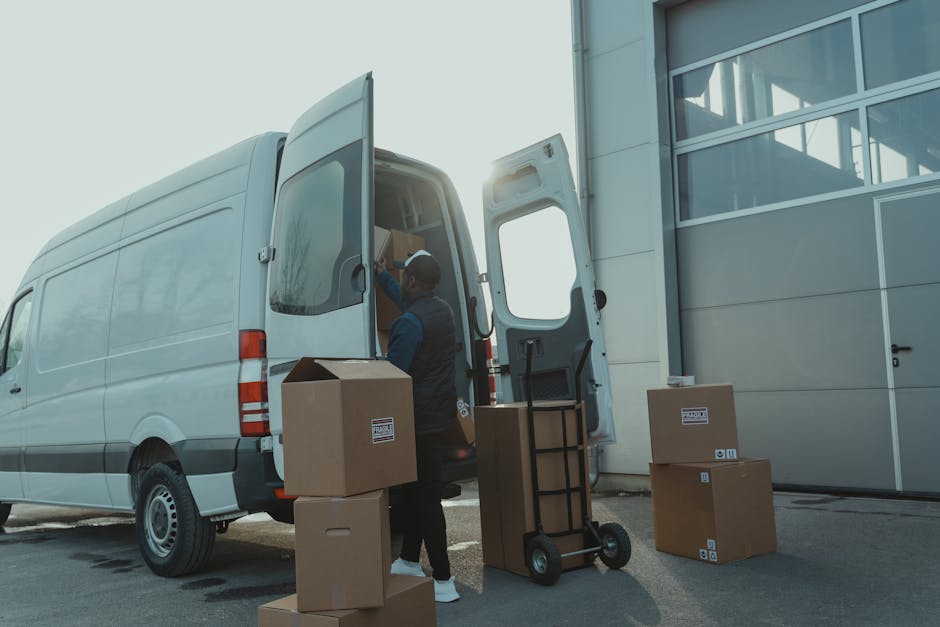
Norbury Station Moves: Best Times to Book a Man with Van
If you are planning a move around Norbury Station, timing matters more than most people expect. Trains, school runs, commuter traffic, parking, and the simple chaos of moving day can turn a short job into a long one if you book at the wrong time. This guide to Norbury Station Moves: Best Times to Book a Man with Van breaks down the smartest windows to book, why they work, and how to avoid the little delays that always seem to appear at the worst moment. Whether you are moving a flat, collecting furniture, or shifting office items near the station, a bit of planning goes a long way.
You will find practical guidance here: the best days and times to aim for, what affects price and availability, how local conditions change the job, and how to choose the right service with confidence. Truth be told, a good slot can save you more stress than people think.
Why Norbury Station Moves: Best Times to Book a Man with Van Matters
Near a busy station, time is not just money. It is access, parking, queue length, lift availability if you are dealing with flats, and how many people are trying to get somewhere at the same time. Around Norbury Station, the busiest periods are usually the ones tied to commuter movement, school drop-offs, and weekend shopping trips. If your van arrives when the roads are already feeling tight, a simple furniture move can become slower and more frustrating than it needs to be.
Booking at the right time helps you reduce waiting, lower the chance of missed slots, and make the most of the moving crew's time. That matters whether you are using a man with van for a single-item collection or a larger removal services job that needs a calmer, more organised handover. Near a station, the margin for error is smaller. Very small, sometimes.
There is also a cost angle. Peak times can mean higher demand, and higher demand can mean fewer flexible options. Even when prices are quoted clearly, the practical effect is similar: if your preferred time is already booked, you may have to settle for a less convenient slot. That can be fine. But if you have stairs, a narrow road, or a tight parking arrangement, convenience is not really a luxury. It is part of the job.
Expert summary: For station-area moves, the best booking time is usually the one that avoids commuter traffic, leaves room for parking, and gives you a buffer for delays. Early weekdays and mid-morning slots often work better than late rush-hour windows.
How Norbury Station Moves: Best Times to Book a Man with Van Works
In practical terms, booking a man with van near Norbury Station is about matching your move to the local rhythm of the area. You are not only booking a vehicle and a driver. You are booking a time window that has to work with roads, loading access, the building you are moving from, and the time it takes to get in and out without hassle.
Most people start with the date, but the better question is: what time of day is most likely to go smoothly? For many Norbury moves, that means looking at:
- early morning before traffic becomes congested
- mid-morning after the first commuter rush
- midweek slots rather than Friday or Saturday peak times
- off-peak collection windows for furniture or store pickups
That said, there is no single perfect slot for every move. If you are moving from a top-floor flat, an early start can help you finish before everyone else is out and about. If you need to collect a sofa from a seller, a slightly later appointment can give them time to prepare. If the item is awkward and bulky, you may want extra time rather than the earliest possible slot. Simple enough on paper. In real life, you still have to work around what is actually available.
Booking also works differently depending on whether you are arranging a home move, a single-item delivery, or a larger multi-stop job. A small local move can often be flexible. A bigger move, especially one involving packing, dismantling, or multiple floors, benefits from tighter planning and a longer time buffer. If that sounds obvious, well, it should. Yet people still book a van for the exact minute they need to leave, which is brave in the wrong way.
Key Benefits and Practical Advantages
Choosing the best time to book is not only about avoiding stress. It brings a few practical advantages that are easy to miss until you have done a move the hard way.
- Less waiting: A quieter time near the station means fewer delays while the vehicle parks, loads, or unloads.
- Better access: Residential streets around transport links can be awkward when commuter parking is heavy. Off-peak windows are easier.
- Smoother loading: The team can work more efficiently when they are not constantly dodging traffic or pedestrians.
- Lower chance of last-minute changes: Booking earlier in the day, or earlier in the week, often gives you more flexibility if something shifts.
- Less pressure on you: Moving is already a lot. A good time slot reduces that "everything is happening at once" feeling.
There is a real-world benefit too: better timing makes small jobs feel smaller. A single sofa collection might only take twenty minutes once the van is parked properly. But if you hit school traffic, wait for a lift, or spend ten minutes circling for access, the whole job feels bigger and more tiring. Nobody enjoys that. Not the driver, not you, not the neighbour who wants their car moved just as you arrive.
For bigger removals, the advantage is even clearer. A good slot can help you line up packing, key collection, and arrival at the new place without that odd dead time where everyone stands around with a kettle and a worried look. It is a tiny thing. Still matters.
Who This Is For and When It Makes Sense
This kind of planning suits anyone moving in or out of the Norbury Station area, but it is especially useful if your move has any of the following features:
- you live on a busy road or near a junction
- your building has limited parking or no dedicated loading bay
- you are in a flat, maisonette, or converted property with stairs
- you need to time the move around work, school, or childcare
- you are collecting furniture from a seller or retailer and need a punctual pickup
- you are handling a same-day move and need the day to run neatly
It also makes sense if you are comparing a lightweight local move against a more involved service such as home moves or house removals. The more moving parts you have, the more valuable the right booking time becomes. If your move is tiny, the margin for error is broader. If it is a two-bedroom flat with a sofa, mattress, mirror, and a few fragile boxes, then timing starts to matter a lot more.
Commercial customers should think similarly. A short office pickup near the station may look simple, but office buildings often have stricter access windows, reception rules, or lift booking systems. In that case, being early or off-peak can be the difference between a smooth handover and an awkward twenty-minute wait in the lobby. Been there, seen it. Not ideal.
Step-by-Step Guidance
If you want the best chance of a clean, efficient move near Norbury Station, use a straightforward booking process. No need to overcomplicate it.
- Choose the type of job clearly. Is it a full move, a furniture collection, or a partial load? That affects vehicle size, time estimate, and booking slot.
- Check the local timing constraints. Look at your own schedule, building access, and likely road conditions near the station.
- Pick an off-peak window if possible. Early morning or mid-morning usually works better than commuter-heavy times.
- Get your loading point ready. If parking is tricky, make sure you know where the van can stop safely and legally.
- Prepare items before the van arrives. Boxes sealed, furniture emptied, fragile items wrapped. The less time spent on sorting, the better.
- Build in a buffer. A move should never be scheduled so tightly that one minor delay throws everything off.
- Confirm the scope in advance. Confirm floors, access, large items, and whether help is needed at both ends.
- Ask about the expected duration. A decent estimate helps you avoid planning another appointment too closely afterwards.
A useful way to think about it: if the move is around a station, your real enemy is not distance. It is friction. Small delays add up, and they do it quietly.
One practical example: if you are moving from a first-floor flat near the station and the new place is only ten minutes away, you may still want a mid-morning slot rather than the first thing at 7am. Why? Because by the time the van loads, streets calm down, and you get through the last bit of lifting, the whole job may actually run more smoothly than an earlier slot in heavier traffic. That sounds slightly counterintuitive, but it happens all the time.
Expert Tips for Better Results
Here is where small improvements really help.
1. Avoid the obvious rush periods
In areas connected to a station, the rush is not always dramatic. It is the accumulation of small movements: commuters, parents, deliveries, and short-stay parking. If you can avoid the main pressure points, do it. Even thirty minutes can make a noticeable difference.
2. Midweek often beats Friday
Friday is popular because people want the move done before the weekend. Fair enough. But popularity is exactly the problem. Tuesday, Wednesday, and sometimes Thursday can offer a calmer, more reliable experience. Less scrambling. Less "can we do that a bit later?"
3. Match slot length to the real job
A single item collection and a one-bedroom move are not the same thing. If you are booking a man and van style service, make sure the time booked reflects the lifting, carrying, and access involved, not just the drive itself.
4. Plan around your building rules
Some flats have delivery windows or require advance notice for lift use. Some roads are simply awkward at school pickup time. If there is any doubt, give yourself more room rather than less. You will thank yourself later.
5. Use a service that explains timing clearly
Good operators do not only ask where you are going. They ask about stairs, parking, item sizes, and access. That is a sign they are planning properly. If the quote feels too breezy, it may be missing something important.
And yes, sometimes the best advice is boring advice: start earlier, clear the hallway, keep the kettle out of the way. A moving day is not the time for genius experiments.
Common Mistakes to Avoid
Most problems near station moves come from a small set of avoidable mistakes. The good news? They are usually easy to sidestep once you know what to watch for.
- Booking during commuter pinch points: Arriving right as the area gets busy can create avoidable delays.
- Underestimating loading time: A van journey may be short, but loading and unloading often take longer than expected.
- Not checking parking access: If the vehicle cannot stop close enough, the move slows down immediately.
- Leaving packing until the last minute: Last-minute boxes create chaos. Always.
- Assuming all moves need the same size van: Oversized or undersized vehicles can both create problems.
- Forgetting to mention stairs or heavy items: That is how quotes and schedules get awkward.
- Not allowing for building access time: Buzzers, lifts, and reception desks all add friction.
One of the quietest mistakes is treating a move as if it were just a point-to-point trip. It is not. It is a small logistics project. Once you see it that way, timing decisions get much easier. Slightly less romantic, perhaps, but very useful.
Tools, Resources and Recommendations
You do not need fancy software to organise a local move well, but a few simple tools help a lot.
- A written inventory: List the main items so nothing gets forgotten.
- A phone reminder: Set alerts for packing, key handover, and van arrival.
- Measuring tape: Useful for doors, furniture, and stair turns.
- Sticky notes or labels: Handy for making sure the right boxes go to the right room.
- Photos of awkward items: A quick image can help explain shape, size, and access issues more clearly than a vague description.
If you want a broader service comparison, pages like removals and removal company can help you understand the difference between a basic transport job and a more fully managed move. For homeowners who want help with fragile items or a fuller schedule, packing and unpacking services can also take some pressure off.
And if you are the sort of person who likes to cross-check details before booking, that is a good instinct. A calm move usually starts the day before, not on the pavement with a box in your arms.
Law, Compliance, Standards, or Best Practice
For moves around Norbury Station, the main compliance issues are usually practical rather than dramatic. You are mostly dealing with parking restrictions, access rules, safe lifting, and the duty to avoid blocking roads or footpaths. If a van needs to stop on a busy street, the operator should plan that stop responsibly and in line with local restrictions. Do not assume that a convenient gap is automatically a lawful one.
Insurance matters too. A reputable provider should be clear about what is covered and what is not, especially if your move involves valuable, fragile, or heavy items. It is sensible to review insurance and safety information before the move. That is not red tape for the sake of it. It is basic peace of mind.
Health and safety is another big one. Good manual handling practice matters on every move, but it becomes even more important on stairs, in tight hallways, and when lifting awkward furniture. You can also look at the company's health and safety policy to understand how they approach safe working. A well-run move should feel organised, not improvised.
Payment clarity and terms matter as well. Before booking, it is wise to understand the quote process, deposits if any, and cancellation expectations. The pages on pricing and quotes and terms and conditions help set proper expectations. In short: know what you are paying for, know what happens if timing changes, and make sure everyone is on the same page. It saves headaches later.
Options, Methods, or Comparison Table
Different booking approaches suit different kinds of move. Here is a simple comparison to help you decide what makes sense for a Norbury Station move.
| Booking approach | Best for | Pros | Possible downside |
|---|---|---|---|
| Early weekday morning | Full or partial home moves | Often calmer roads, easier access, good start to the day | Can be early for you if you still need packing time |
| Mid-morning slot | Most local moves and furniture collections | Misses the first rush, often practical for loading | Can fill up quickly on busy days |
| Midweek booking | Flexible customers | Usually less demand than Friday or Saturday | May not suit work or school schedules |
| Weekend booking | People tied to weekday work | Convenient for many households | Higher demand, possible traffic and tighter availability |
| Off-peak collection window | Single-item pickup or store delivery | Good for parking and loading efficiency | Requires coordination with seller or retailer |
There is no one-size-fits-all answer. But if you want the simplest rule, it is this: avoid the times when the area is busiest unless you genuinely have no alternative. Pretty straightforward, but still easy to ignore when calendars start getting messy.
Case Study or Real-World Example
Imagine a couple moving from a second-floor flat near Norbury Station into a terrace a few streets away. They originally wanted a late afternoon Friday slot because it fit around work. Sensible enough, except Friday traffic near the station was heavier than expected, and the building access at the new place was a little slower because the landlord wanted a quick key handover during the same window.
They changed the booking to mid-morning on a Wednesday. The result was simple: the van parked closer, the load went faster, and they finished before the streets filled up. The couple still had time to unpack the kettle and find the mugs before lunch. That is the kind of small victory you only appreciate after a rough move or two.
Another common scenario is a furniture pickup from a seller on a busy road near the station. In that case, a slightly later off-peak arrival can be better than rushing in too early and waiting awkwardly outside. The seller gets time to prepare, you avoid circling for parking, and the collection feels tidy rather than rushed. No drama. Lovely stuff.
Practical Checklist
Use this checklist before you book your van.
- Confirm whether the job is a full move, a partial move, or a single-item collection.
- Check your building access rules and any lift or parking requirements.
- Identify the quietest realistic time window near Norbury Station.
- Ask how long loading, travel, and unloading are likely to take.
- Prepare all packed boxes before the van arrives.
- Measure large items and any narrow doors or stair turns.
- Make sure the van can stop legally and safely close to the property.
- Confirm insurance, safety, and payment details before the day.
- Keep phones charged in case access instructions need to be updated.
- Leave a small time buffer, because something always takes longer than expected. Always.
Conclusion
For moves near Norbury Station, the best time to book a man with van is usually the time that avoids pressure: off-peak, well planned, and matched to your real access conditions. Early weekdays and mid-morning slots often work best, but the smartest choice is the one that fits your building, your schedule, and the amount of lifting involved. That is the real answer, and it is a practical one.
Think of timing as part of the service, not an afterthought. A good booking window can reduce parking issues, limit delays, and make the whole move feel calmer from the start. If you get that part right, everything else has a better chance of falling into place. And on moving day, that matters more than people admit.
Get a free quote today and see how much you can save.
When you are ready, choose the slot that gives you breathing room, not just the slot that looks convenient on paper. A little space in the schedule can make the whole day feel lighter.
Frequently Asked Questions
What is the best time to book a man with van near Norbury Station?
In most cases, early weekday mornings or mid-morning slots are the best choices. They often avoid the busiest commuter periods and give you a better chance of smooth parking and loading.
Is it cheaper to move at off-peak times?
It can be, but pricing depends on demand, job size, access, and timing. Off-peak slots are often easier to secure and may reduce delays, even when the price itself does not change dramatically.
Should I avoid Friday moves near the station?
Not always, but Friday is often busier because many people want to move before the weekend. If you can choose another weekday, you may have a calmer and more flexible experience.
How early should I book my van?
As early as you reasonably can, especially if you need a specific time slot. Good planning helps you avoid being squeezed into a less convenient window, which is a pain no one needs.
What if I only need to move one or two items?
Then a small man and van booking is usually enough. Just make sure the timing still suits parking access and the person receiving or releasing the item.
Do I need to plan around parking restrictions?
Yes, definitely. Near a station, parking can be the main source of delay. It is worth checking where the van can safely stop before the booking day.
Is a morning move better than an afternoon move?
Often yes, because mornings can be more predictable and leave you with more daylight and extra time if things run long. But the best choice depends on your access and schedule.
What details should I mention when booking?
Tell the provider about stairs, lifts, parking, bulky items, fragile pieces, and any timing limits. The more accurate the details, the better the quote and schedule will be.
Can I book a man with van for a same-day move?
Sometimes, yes. Same-day bookings are more likely to work if the job is small and you are flexible on timing. During busy periods, though, availability can be tight.
What is the difference between a man with van and full removals?
A man with van is usually a more flexible, lightweight option for smaller or simpler jobs. Full removals are better for larger house moves, heavier loads, or situations where you want more hands and a more managed process.
How do I know if my move needs a longer booking slot?
If you have multiple floors, large furniture, awkward access, or more than a few rooms' worth of items, you probably need a longer slot. It is safer to allow extra time than to cut it too fine.
Where can I find more information before booking?
You can review service details such as about us, contact us, and payment and security to understand how the service works and what to expect. A little homework now saves a lot of guessing later.